 +86-13646196162
 info@hysonindustry.com




 English
  русский


متى يجب إزالة النماذج الخرسانية: التوقيت وقواعد القوة ودليل التجريد الآمن
 2026.09.04
محتوى
يريد طاقم الجدار الذي أنهى خط عمود في صباح أحد أيام شهر يوليو إزالة النماذج قبل أن تصل حرارة فترة ما بعد الظهر إلى ذروتها؛ في صباح اليوم نفسه، أُخبر طاقم الجسر أن باطن العارضة الصندوقية سيبقى مدعومًا لمدة أسبوع آخر. كلا القرارين صحيحان. بالنسبة لمعظم القوالب الرأسية - الجدران والأعمدة والأرصفة - تكون الخرسانة جاهزة للتقطيع 24 إلى 48 ساعة . بالنسبة لأي شيء يجب أن تصمد فيه الخرسانة، مثل الألواح والعوارض وأسطح الجسور، فإن التقويم هو مجرد نقطة بداية، لأن هذه الأشكال تأتي ضد القوة المقاسة، وليس العادة.
إن إزالة النماذج بشكل جيد هو في الواقع سؤالان في سؤال واحد. أولاً، هل ستنجو الخرسانة من التلامس، هل تصبح الحواف والزوايا والأسطح نظيفة؟ ثانيًا، هل يمكنها حمل الأحمال التي أنت على وشك تسليمها بمجرد إزالة القوالب والدعائم؟ أجب عن كليهما بهذا الترتيب، وسيظل التعري آمنًا ويمكن التنبؤ به.
لمحة سريعة عن أوقات إزالة النماذج النموذجية
تتبع النوافذ أدناه الإرشادات التي يتم الاستشهاد بها بشكل شائع من ممارسة قوالب صب الخرسانة ACI 347. إنهم يفترضون مزيجًا عاديًا من الأسمنت البورتلاندي، ومعالجة سليمة، ودرجات حرارة للخرسانة تقريبًا تتراوح بين 50 درجة فهرنهايت و70 درجة فهرنهايت (10 درجات مئوية إلى 21 درجة مئوية). عندما تختلف مواصفات المشروع، تفوز المواصفات.
| عنصر القوالب | الحد الأدنى النموذجي للوقت | شرط الافراج |
|---|---|---|
| الجدران والأعمدة والأرصفة (الأشكال الرأسية) | 24-48 ساعة | لم يتم حمل أي حمولة؛ حواف البقاء على قيد الحياة تجريد |
| باطن الألواح، والدعامات المتروكة في مكانها، وتمتد لأقل من 10 أقدام (3 أمتار) | حوالي 3 أيام | الدعائم Reshoring تبقى في مكانها |
| باطن الألواح، والدعامات المتروكة في مكانها، وتمتد من 10 إلى 20 قدمًا (3 إلى 6 أمتار) | حوالي 4 أيام | تكتسب المسافات الأطول قوة بشكل أبطأ |
| ألواح حيث سيتم إزالة الدعائم | حوالي 7 أيام | أو قبل ذلك إذا أكدت الاختبارات القوة المطلوبة |
| عوارض وعوارض تمتد أقل من 10 أقدام | حوالي 7 أيام | الدعائم المتبقية تحت العضو |
| العوارض وعناصر الجسور طويلة المدى أو المحملة بشكل كبير | 7-14 يومًا | الافراج فقط ضد قوة الاختبار التي تم التحقق منها |
هناك نمطان يستحقان القراءة من الجدول. تحمي الأشكال العمودية الهندسة، لذا فهي تغادر مبكرًا؛ تحمل أشكال باطن الحمل، لذلك تبقى حتى يمكن أن يمتد القسم. يفترض كل رقم أعلاه تقريبًا أيضًا أنه تمت الإجابة على سؤال الدعائم - في معظم هذه الأوقات لا تعمل إلا عندما تظل عملية إعادة التوطين في مكانها.
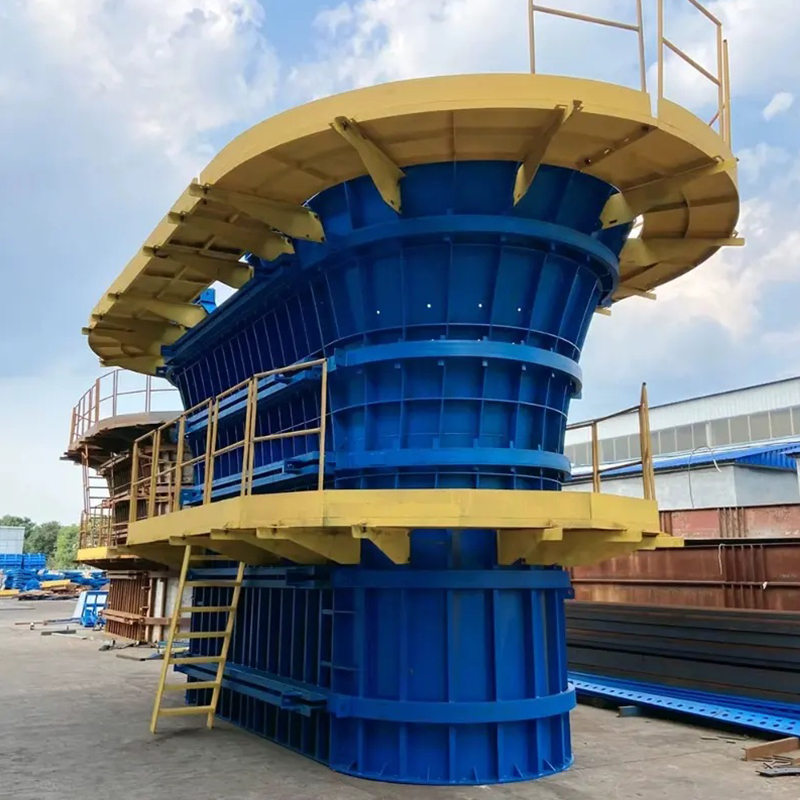
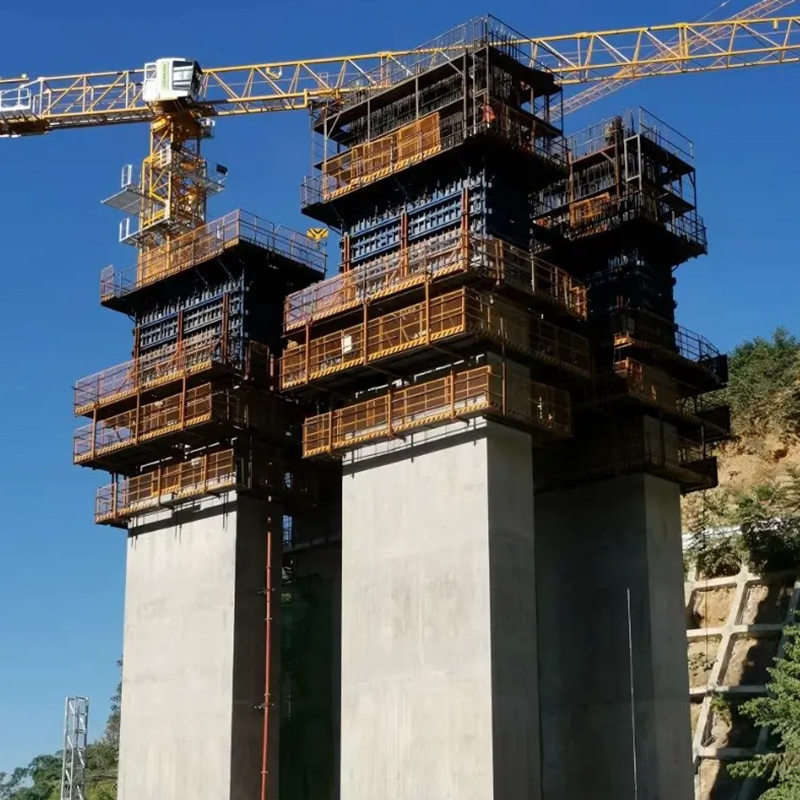
تُظهر أعمدة الرصيف الخط السريع في أفضل حالاته. يمكن إطلاق نموذج العمود الدائري خلال يوم أو يومين، وعلى البنية التحتية للجسر المتكررة، يحدد وقت الدورة بشكل فعال وتيرة برنامج السطح بأكمله.
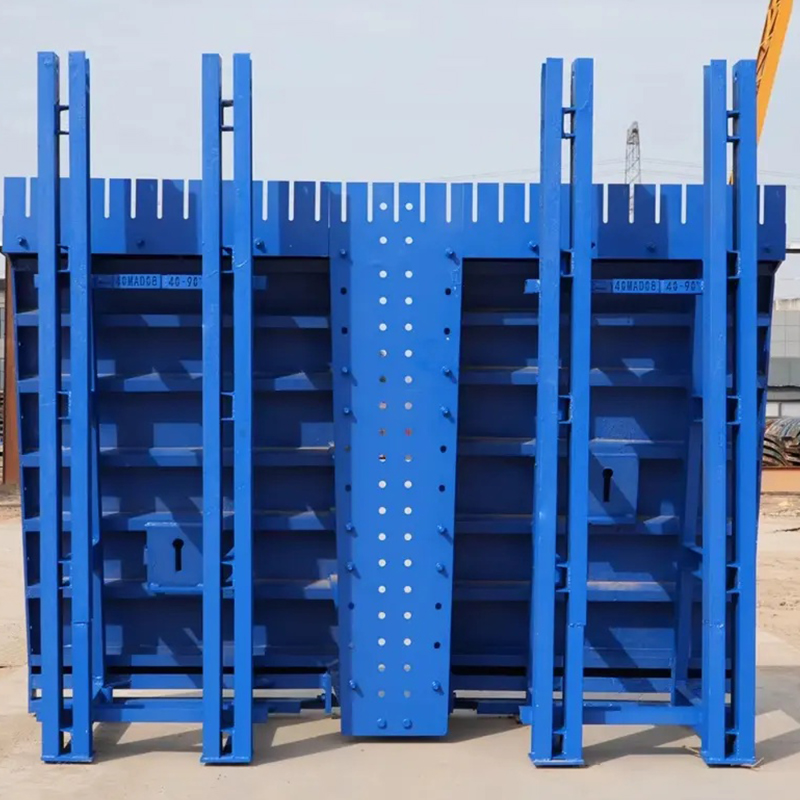
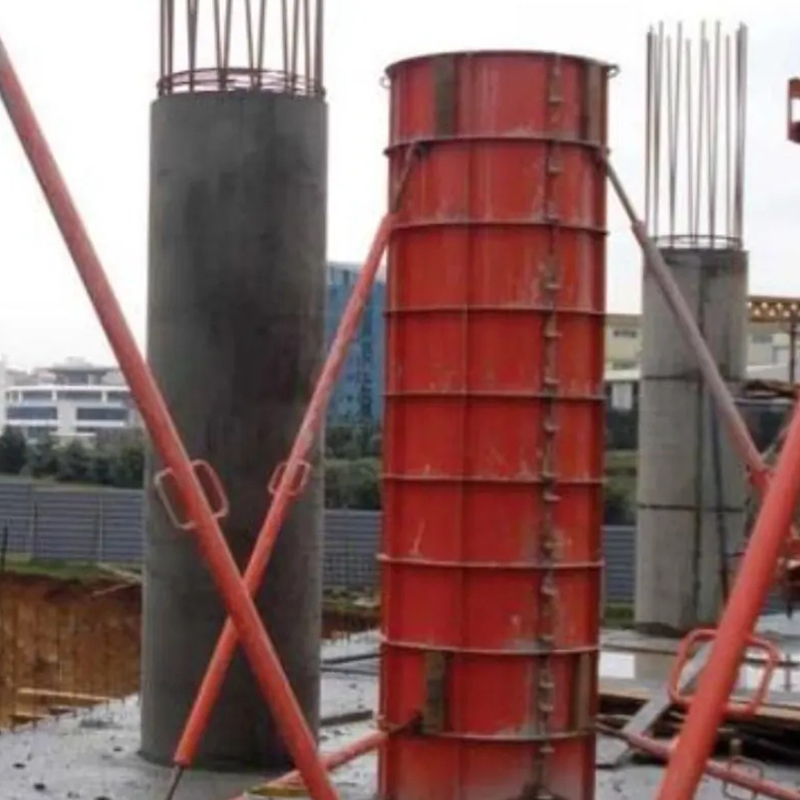 صندقة العمود الدائري لأعمدة رصيف الجسر السلس أشكال قوسية فولاذية معيارية تصب أعمدة دائرية دقيقة وناعمة لأرصفة الجسور وأعمدة البناء. عندما تحدد دورات البنية التحتية المتكررة الجدول الزمني للسطح، فإن أوقات القطع الموثوقة من يوم إلى يومين والتشطيبات ذات الوجه العادل تجعل هذا النظام يستحق المراجعة. عرض المنتج →
 القوة تتفوق على التقويم، في كل مرة
تفترض الجداول الزمنية مزيجًا واحدًا عند درجة حرارة واحدة، ونادرًا ما تتعاون مواقع العمل. يكتسب المزيج الذي يحتوي على الرماد المتطاير أو الخبث قوة ببطء في الطقس البارد؛ يمكن لمزيج عالي القوة مبكرًا أن يعمل قبل أيام من طاولته المطبوعة. الإجابة التي يمكن الاعتماد عليها هي قياس ما يحدث بالفعل داخل العنصر.
تُظهر الأسطوانات المعالجة ميدانيًا، أو أجهزة الاستشعار المدمجة التي تقرأ طريقة النضج، قوة حقيقية في مكانها. ترتبط العديد من المواصفات بالتجريد إلى عتبة مكتوبة - عادة ما تكون موجودة 75% من قوة التصميم للأعضاء الذين سيحملون أحمال البناء - ويحدد مهندس المشروع هذا الرقم. إذا لم يكتبها أحد، فاكتبها قبل ظهور الدعامة الأولى.
تجريد ضد البيانات، وليس ضد عقارب الساعة. يوضح لك الجدول أقرب وقت قد تكون فيه الخرسانة جاهزة؛ تخبرك الاختبارات بموعد حدوث ذلك بالفعل.
ما يحرك وقت التجريد
مزيج التصميم
نوع الأسمنت يتصدر القائمة. تعمل المسرعات الأسمنتية عالية القوة والمسرعات غير الكلوريدية على سحب التجريد للأمام؛ الرماد المتطاير، والخبث، وانخفاض نسب الماء إلى الأسمنت يدفعها إلى الوراء، خاصة في الطقس البارد. تم تصميم بعض خلطات الجسور بحيث تبلغ قوتها 56 يومًا، مما يجعل اختبار العمر المبكر غير قابل للتفاوض.
درجة الحرارة
يتباطأ الترطيب بشكل حاد عندما تبرد الخرسانة. يمكن أن يحتاج المزيج الذي يتم نزعه خلال 24 ساعة عند درجة حرارة 70 درجة فهرنهايت إلى عدة أيام إضافية بمجرد وصول درجات الحرارة إلى الأربعينيات، ولهذا السبب تعمل قواعد الخرسانة في الطقس البارد على تمديد أوقات صب الخرسانة والحماية بدلاً من تقصيرها. تعمل الحرارة في الاتجاه الآخر - اكتساب قوة أسرع، ولكن هناك خطر أكبر لتجفيف السطح والتشقق الحراري عند المعالجة الإهمال.
علاج
تعمل مركبات المعالجة والمعالجة بالمياه على الاحتفاظ بالرطوبة في السطح بحيث تكتسب القوة في المكان الذي يتسبب فيه التجريد من الضرر - عند الحواف والزوايا. يمكن للرياح والرطوبة المنخفضة والوجه الساخن أن يجفف جلد اللوح خلال ساعة؛ سوف يتسبب السطح الجاف في حدوث ثقوب وغبار وشظايا بغض النظر عن مدى قوة القلب.
حجم العنصر والأحمال
تحافظ المقاطع الضخمة على حرارتها وتكتسب قوة مبكرة بسرعة؛ ألواح رقيقة تبرد بسرعة وتتخلف. طول الامتداد مهم، وكذلك ما يوضع على العضو - قضبان التسليح المجمعة، وعربات المواد، ومعدات الضخ هي أحمال بناء يجب أن تحملها الخرسانة المجردة على الفور.
تكلفة إزالة النماذج في وقت مبكر جدًا - أو ترك النماذج لفترة طويلة جدًا
تجريد مبكرًا جدًا وتدفع مرتين
- حواف وزوايا بارزة تحتاج إلى ترقيع - تجميلية على الحائط، هيكلية على عارضة.
- تتعمق ثقوب الحشرات والشرائط الرملية مع تمزق الوجه، لذا فإن كل لمسة نهائية تكلف أكثر.
- التشققات الدقيقة المخفية والانحراف الدائم في الألواح والكمرات التي تظهر مرة أخرى كمشاكل في قابلية الخدمة على المدى الطويل.
- في أسوأ الحالات، انهيار باطن الأرض عندما يتم تحرير الدعائم قبل أن تمتد الخرسانة بينهما.
اترك النماذج لفترة طويلة ولن يتحسن شيء
- الرطوبة المحاصرة على السطح تخلق بقعًا داكنة اللون لن يتم إصلاحها بالطحن.
- تحافظ الخرسانة على تصلبها وتماسكها، لذا فإن الأربطة والأوتاد والوجوه تتعرض للضرر مما يقلل من عمر إعادة الاستخدام.
- في الأشكال الفولاذية، يمكن أن يترك التكثيف المحصور بقع صدأ تكون إزالتها باهظة الثمن.
- تتوقف دورات النموذج، وفي العمل المتكرر، تؤدي الدورة المتوقفة إلى تعطيل الرافعات والأطقم وجدول الصب.
كما أن ترك القوالب في مكانها يتوقف أيضًا عن إضافة قوة ذات معنى بعد الأيام القليلة الأولى - حيث تتفوق الخرسانة المعالجة بشكل صحيح على الخرسانة من نفس العمر والتي يتم الاحتفاظ بها ببساطة خلف القوالب. والقوالب الفولاذية العادية ليست قوالب صب الخرسانة الدائمة؛ تعتبر أنظمة البقاء في مكانها منتجًا مختلفًا مصممًا لهذا الغرض، في حين أن اللوحة القياسية التي تُركت محاصرة تدعو إلى التآكل والبقع.
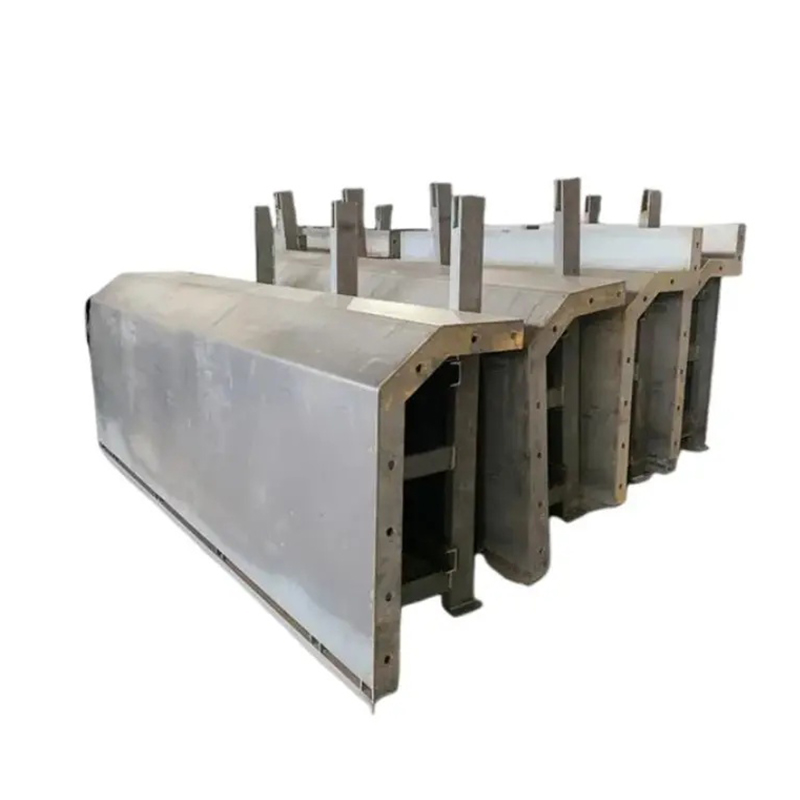
يظهر أعضاء الجسر الثقيل المخاطر بشكل أفضل. في العارضة الصندوقية المصبوبة في مكانها، يظل السقف في مكانه حتى تؤكد القوة المقاسة أن القسم يمكنه حمل نفسه بالإضافة إلى العملية التالية، لأن الانحراف في العضو طويل المدى ليس شيئًا يمكنك تصحيحه بعد ذلك.
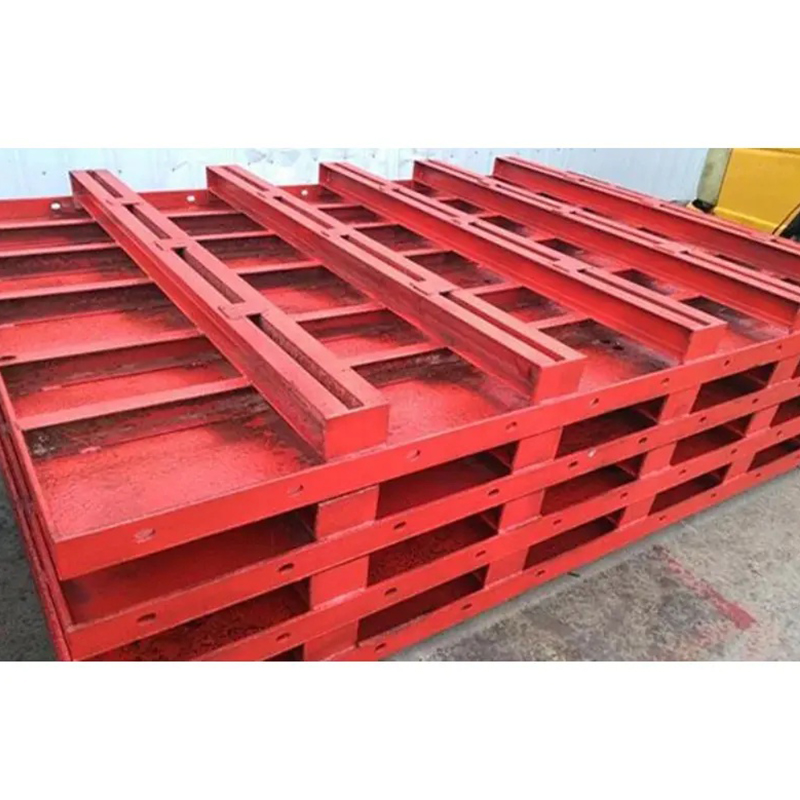
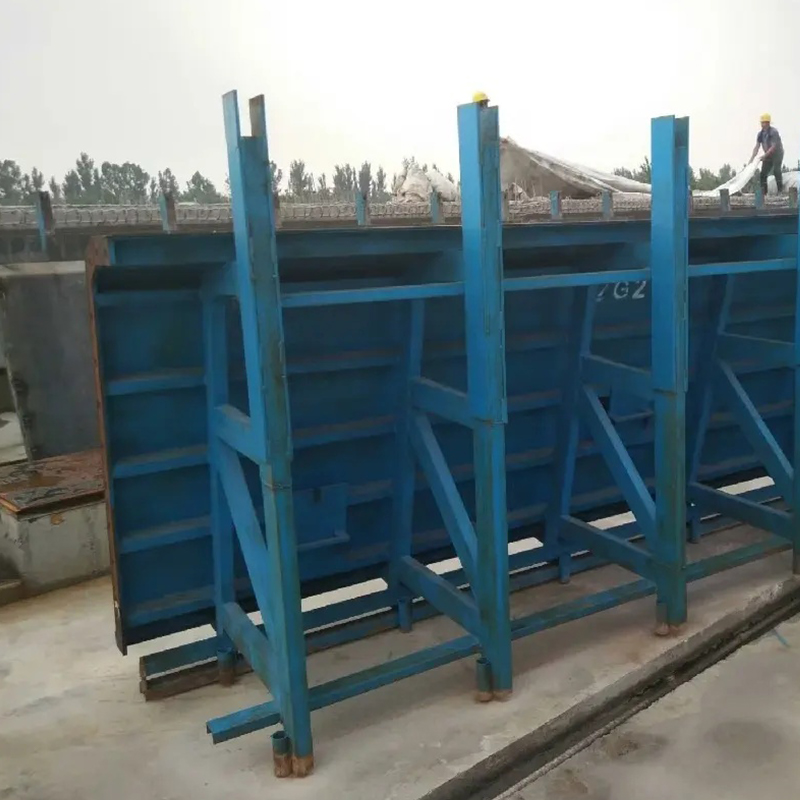 صندقة العارضة الصندوقية لصب الجسور والتصنيع المسبق قوالب صب الخرسانة الفولاذية Q235B/Q345 للخدمة الشاقة مع معالجة اختيارية للقالب الداخلي الهيدروليكي للعوارض الصندوقية المصبوبة في المكان والعوارض الصندوقية مسبقة الصب. بالنسبة للأعضاء ذات المدى الطويل حيث لا يمكن تصحيح الانحراف بعد ذلك، فإن دقة الأبعاد ومقاومة التشوه هي ما يهم أكثر. عرض المنتج →
 تسلسل تجريد يحمي الخرسانة
الطاقم الجيد يخلع ملابسه بنفس الترتيب في كل مرة، ويتم كتابة هذا الأمر:
- تحقق من القوة - نتائج الاختبار أو قراءات النضج - مقابل حد الإصدار المكتوب.
- قم بإزالة الأشكال الرأسية أولاً، ثم قم بفك الروابط وتخفيف الوجه باستخدام أسافين خشبية بدلاً من القضبان الفولاذية مقابل الزوايا الجديدة.
- قم بإزالة القوالب بالترتيب العكسي للتركيب واترك كل دعامة حاملة في مكانها تمامًا.
- استمر في إعادة البناء تحت الألواح والكمرات حتى يحررها المهندس، مع نقل الأحمال تدريجيًا بدلاً من نقلها في قطرة واحدة.
- قم بمعالجة الأسطح المكشوفة على الفور باستخدام الخيش الرطب أو التغشية أو مركب المعالجة، خاصة في حالة الرياح والحرارة.
- قم بتسجيل أوقات الشريط ودرجات حرارة الخرسانة وأي عيوب حتى يتم التخطيط للدورة التالية بناءً على الأدلة بدلاً من الذاكرة.
إعادة التوطين جزء من قرار التوقيت
الدعم الخلفي هو كيف يشتري الجدول الزمني السرعة بأمان. تشترك الدعائم الفولاذية القابلة للتعديل ورؤوس الشوكة وقواعد الرافعة الموجودة أسفل لوح صغير في حملها بينما تنتهي من اكتساب القوة - وهذا هو سبب بقاء الدعائم حتى بعد مغادرة وجه الشكل. في الأعمال الثقيلة، تحمل الأبراج المبنية من أنظمة رينجلوك أو كوبلوك الخطوط تحت باطن الجسر. إذا كنت تزن الخيارات، الرئيسية أنواع السقالات يلعب كل منها دورًا مختلفًا في مسار التحميل هذا.
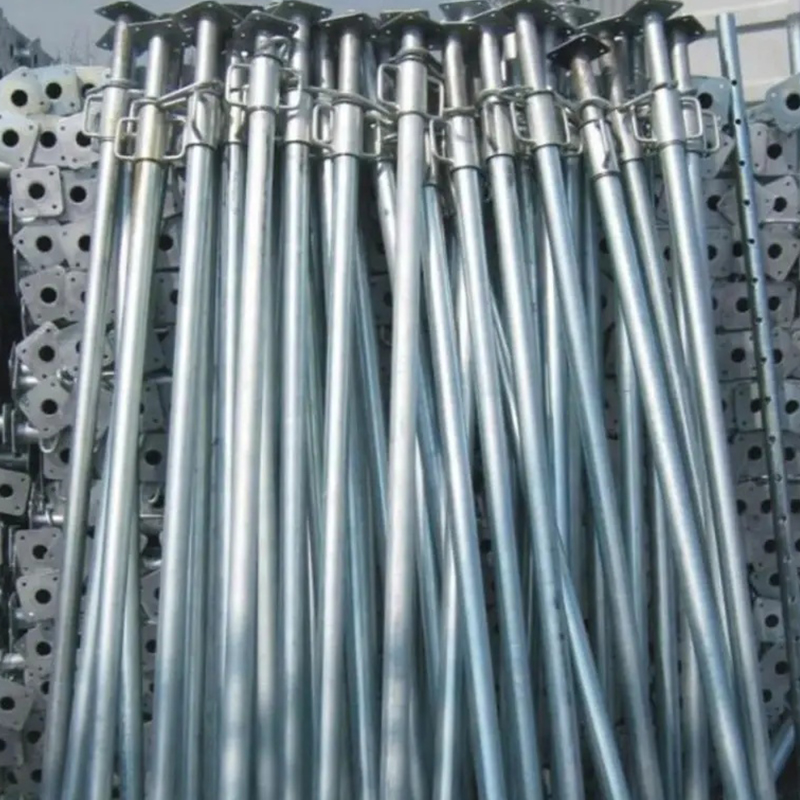 دعامات فولاذية قابلة للتعديل لدعم الألواح الخلفية دعامات فولاذية تلسكوبية عالية القوة تحمل أحمال الألواح والقوالب بينما تكتسب الخرسانة الصغيرة القوة. نظرًا لأن الدعامات تبقى في مكانها بعد شرائط الوجه النموذجية، فإن سعة التحميل وقابلية التعديل هي المفتاح عند شراء معدات الدعم الخلفي. عرض المنتج →
 جودة القوالب هي التي تقرر مدى نظافة الإصدار
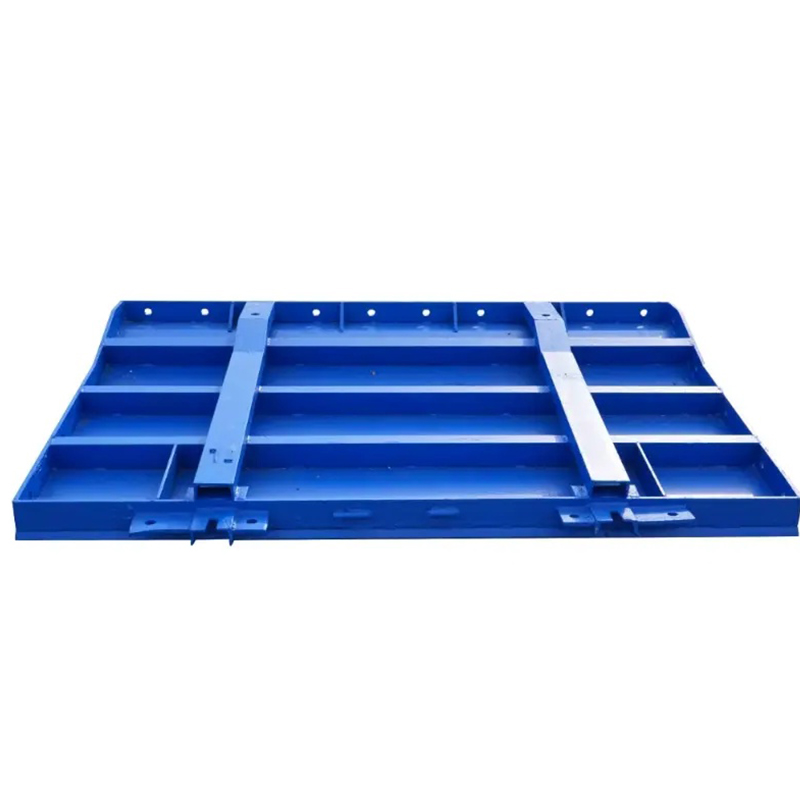
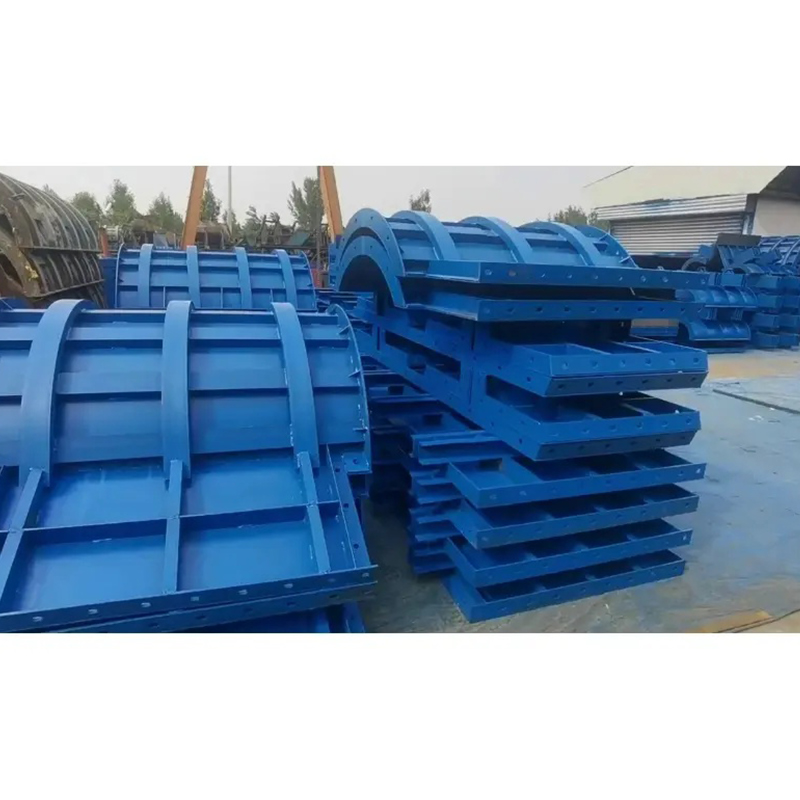
غالبًا ما يُلقى اللوم في تجريد الضرر على التوقيت، لكن جزءًا كبيرًا منه تم تصميمه داخل - أو خارج - النموذج نفسه. تسمح الوجوه الفولاذية الناعمة والمفاصل الضيقة والمسافات المتسقة للربط والزوايا المشطوفة بتحرير اللوحة خلال 24 ساعة دون تمزيق السطح، في حين أن اللوحة الملتوية أو الملحومة بشكل سيئ ستشكل علامة على الخرسانة بغض النظر عن مدة بقائها. إذا كنت تقارن الأنظمة، فمن المفيد أن تبدأ بها ما هي القوالب الفولاذية وكيف يتم بناء الألواح فعليًا.
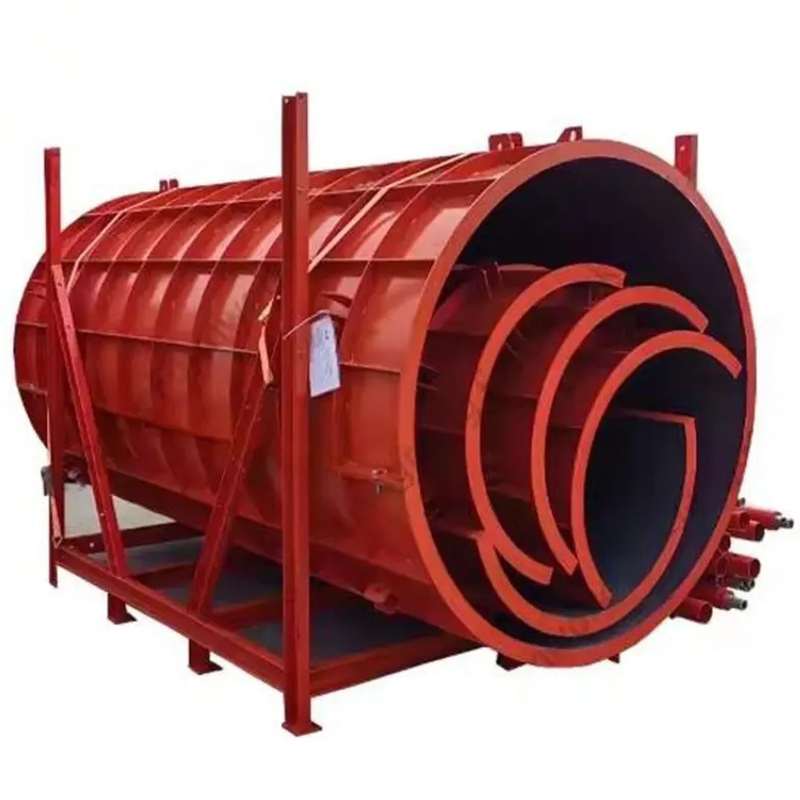
هذا هو التفكير الكامن وراء كيفية بناء القوالب المؤقتة في Hyson. تم تصميم أنظمة فولاذية مخصصة لأعمدة الرصيف الدائرية، والعوارض الصندوقية، والعوارض على شكل حرف T حول الدورة الكاملة: الإطارات الصلبة التي تحمل الشكل الهندسي عند إطلاق الدعامات، وأنماط الربط الموضوعة لتخفيف التوتر بشكل يمكن التنبؤ به، والأوجه التي تنظف الصب بعد الصب، وبالتالي فإن نفس المجموعة تكتسب ثباتها عبر مئات من عمليات إعادة الاستخدام في الموقع.
الوجبات السريعة الرئيسية لصبتك القادمة
- تعامل مع 24-48 ساعة كأرضية للأشكال الرأسية في الطقس المعتدل، ولا تكون أبدًا هدفًا للمطاردة في البرد.
- تتعارض الألواح والعوارض والطوابق القوة المقاسة ، مع 75٪ من قوة التصميم عتبة المواصفات المشتركة.
- تظل عملية إعادة التحميل إلى الداخل حتى يقوم المهندس بتحريرها - حيث لا يمثل مغادرة وجه النموذج مغادرة الحمولة.
- خطط لقوالب صب الخرسانة والدعائم والمعالجة كنظام واحد، لأن كل واحد يغير توقيت الآخرين.
عندما يتم تدوين حد الإصدار، تكون بيانات الاختبار حديثة، ويتم إنشاء القوالب لتنظيفها، وتتوقف إزالة النموذج عن كونها مقامرة وتصبح مجرد خطوة مجدولة أخرى في عملية الصب.


- موقع
- المجموعة 3، قرية فانغتشوانغ، منطقة روتشنغ الفرعية، مدينة روغاو، نانتونغ، جيانغسو، الصين
- تابعونا
- هاتف
- +86-13646196162
- بريد إلكتروني
- info@hysonindustry.com
