 +86-13646196162
 info@hysonindustry.com




 English
  русский


كيفية استخدام السقالة بأمان: دليل الإعداد خطوة بخطوة
 2026.08.21
محتوى
- 1 الإجابة السريعة: كيفية استخدام السقالة بشكل آمن وصحيح
- 2 أنواع السقالات ومتى يتم استخدام كل منها
- 3 خطوة بخطوة: كيفية إعداد أ سقالة
- 4 فهم سعة تحميل السقالة
- 5 فحوصات السلامة الأساسية قبل كل استخدام
- 6 الأخطاء الشائعة التي تهدد سلامة السقالة
- 7 كيفية اختيار السقالة المناسبة لمشروعك
- 8 صيانة معدات السقالات بين المشاريع
- 9 مصادر دائمة سقالة الأنظمة
الإجابة السريعة: كيفية استخدام السقالة بشكل آمن وصحيح
لاستخدام أ سقالة بشكل صحيح، يجب عليك أولاً تحديد نوع السقالة المناسب لعملك، وتجميعها على أرض ثابتة ومستوية بألواح قاعدة أو عتبات طينية، وتأمين جميع مسامير القفل والأقواس، والتأكد من أنها راسية قبل التسلق. قم دائمًا بفحص الهيكل قبل كل استخدام، ولا تتجاوز أبدًا سعة الحمولة المقدرة، واستخدم حواجز الحماية أو وسائل الحماية الشخصية من السقوط عند العمل على ارتفاع يزيد عن 6 أقدام (1.8 متر). يجب ربط السقالة التي تم تركيبها بشكل صحيح بالمبنى أو تثبيتها باستخدام ركائز إذا كانت وحدة متحركة أطول من ثلاثة أضعاف عرض قاعدتها.
تتناول الأقسام أدناه أنواع السقالات، والتجميع خطوة بخطوة، وحدود الحمولة، وإجراءات فحص السلامة، والأخطاء الشائعة التي يجب تجنبها، مما يوفر لك مرجعًا كاملاً قبل مشروعك التالي.
أنواع السقالات ومتى يتم استخدام كل منها
إن اختيار نظام السقالة الصحيح هو أساس العمل الآمن والفعال. الأنواع الثلاثة الأكثر شيوعًا المستخدمة في مواقع البناء والصيانة موضحة أدناه.
| نوع السقالة | الهيكل | أفضل تطبيق |
|---|---|---|
| سقالة الإطار | إطارات مستطيلة ملحومة مسبقًا ومتصلة بأقواس متقاطعة | البناء السكني، الطلاء، البناء بالطوب |
| سقالة الأنبوب والمقرنة | أنابيب فردية مرتبطة بمشابك لأشكال مخصصة | واجهات المباني والجسور والمواقع الصناعية غير النظامية |
| سقالة النظام | مكونات معيارية مع نقاط اتصال محددة مسبقًا | المشاريع التجارية الكبيرة التي تتطلب التجميع السريع |
| برج السقالة المحمول | سقالة الإطار مثبتة على عجلات القفل | صيانة المستودعات، والعمل الداخلي الذي يتطلب تغيير موضعه بشكل متكرر |
اختيار الحق نظام السقالة قبل الشراء أو الاستئجار، يمنع التأخير الناتج عن الهياكل التي لا يمكنها التكيف مع تضاريس الموقع أو شكل المبنى.
خطوة بخطوة: كيفية إعداد أ سقالة
- افحص الأرض وضع ألواح القاعدة أو عتبات الطين على تربة ثابتة ومستوية لتوزيع الوزن بالتساوي
- قم بتجميع المستوى الأول من إطارات السقالة وثبت جميع الأقواس المتقاطعة في مكانها
- تأكد من أن الهيكل راسيا ومستوي باستخدام ميزان الروح قبل إضافة طبقات إضافية
- قم بتركيب دبابيس القفل أو دبابيس التوصيل في كل نقطة اتصال للإطار
- أضف ألواح المنصة، مع التأكد من دعمها بالكامل وتداخلها بما لا يقل عن 12 بوصة (30 سم)
- قم بتركيب حواجز الحماية وألواح أصابع القدم على جميع الجوانب المفتوحة قبل أن يتسلق أي شخص أكثر من 6 أقدام
- اربط السقالة بالهيكل المجاور على فترات زمنية مطلوبة، عادةً كل ارتفاع 26 قدمًا (8 أمتار).
- قم بإجراء فحص تفصيلي نهائي قبل السماح للعمال بالدخول إلى المنصة
إن اتباع هذا التسلسل بالترتيب مهم: يعد تخطي خطوة التسوية أو تأخير تركيب الدرابزين أحد الأسباب الأكثر شيوعًا للحوادث المتعلقة بالسقالة في مواقع العمل.
فهم سعة تحميل السقالة
تتمتع كل منصة سقالة بأقصى حمل مقدر يتضمن الوزن الإجمالي للعمال والأدوات والمواد. يعد التحميل الزائد سببًا رئيسيًا للفشل الهيكلي، لذلك من الضروري معرفة تصنيف الواجب الذي ينطبق على عملك.
| تصنيف الواجب | الحمولة القصوى | الاستخدام النموذجي |
|---|---|---|
| واجب خفيف | 25 رطل لكل قدم مربع (122 كجم/م²) | الطلاء والتفتيش والتنظيف الخفيف |
| واجب متوسط | 50 رطل لكل قدم مربع (244 كجم/م²) | البناء بالطوب، التجصيص، البناء العام |
| واجب ثقيل | 75 رطل لكل قدم مربع (366 كجم/م²) | البناء الحجري، تكديس المواد الثقيلة |
تتبع تصنيفات الواجب هذه تصنيفات السلامة المهنية المعترف بها على نطاق واسع والمستخدمة في صناعة السقالات. قم دائمًا بتأكيد التصنيف المحدد المطبوع على جهازك سقالة المعدات قبل تحميلها بالمواد.
فحوصات السلامة الأساسية قبل كل استخدام
لا ينبغي أبدًا التعامل مع السقالة على أنها هيكل دائم لا يحتاج إلى صيانة. قبل كل وردية، قم بالسير على السقالة بأكملها وتأكد مما يلي:
- تظل جميع لوحات القاعدة على اتصال كامل بالأرض الصلبة، دون أن تغرق أو تتحرك
- تظل حواجز الحماية والقضبان الوسطى وألواح أصابع القدم سليمة على كل جانب مفتوح
- لا تظهر على دبابيس القفل وأجهزة التوصيل أي علامات على الارتخاء أو التآكل
- ألواح المنصة خالية من الشقوق أو التزييف أو التآكل المفرط
- سلالم الوصول أو أبراج السلالم مثبتة بشكل آمن ودون عائق
- لا يوجد أي ضرر واضح نتيجة للرياح أو الصدمات أو أنشطة البناء القريبة
تكليف شخص مختص لإتمام هذا التفتيش وتوثيقه. في العديد من الأطر التنظيمية، يعد فحص السقالة اليومي الموثق مطلبًا قانونيًا، وليس مجرد أفضل ممارسة.
الأخطاء الشائعة التي تهدد سلامة السقالة
تخطي إعداد الأرض
يعد وضع السقالة مباشرة على تربة ناعمة أو غير مستوية بدون ألواح قاعدة أحد الأسباب الأكثر شيوعًا لحوادث الانقلاب. لا ينبغي أبدًا اعتبار إعداد الأرض أمرًا اختياريًا، حتى بالنسبة للوظائف قصيرة المدى.
التحميل الزائد على المنصة
إن تكديس المواد الزائدة على مستوى منصة واحدة، بدلاً من توزيع الوزن عبر الهيكل، يتجاوز السعة المقدرة ويضغط على مفاصل الإطار بما يتجاوز حدود التصميم الخاصة بها.
تحريك سقالة متنقلة أثناء شغلها
يعد دحرجة برج سقالة متنقل أثناء بقاء العامل على المنصة سببًا موثقًا جيدًا للسقوط. اطلب دائمًا من العمال النزول قبل إعادة وضع الوحدات ذات العجلات.
تجاهل الظروف الجوية
تزيد سرعات الرياح العالية بشكل كبير من خطر الانقلاب، خاصة بالنسبة للهياكل الطويلة. توصي العديد من إرشادات السلامة بإيقاف عمل السقالة عندما تتجاوز سرعة الرياح 25 إلى 30 ميلاً في الساعة (40 إلى 48 كم/ساعة).
كيفية اختيار السقالة المناسبة لمشروعك
قبل استئجار أو شراء معدات السقالات، قم بتقييم مشروعك وفقًا لهذه المعايير لتجنب عدم التطابق المكلف:
- ارتفاع العمل المطلوب، بما في ذلك الخلوص من الدرابزين وألواح المنصة
- الظروف الأرضية في الموقع، بما في ذلك انحدار التربة وقدرة تحملها
- ما إذا كان المشروع يتطلب التنقل، مثل التنقل بين مناطق عمل متعددة في يوم واحد
- الحمل المتوقع، بما في ذلك الأدوات والمواد وعدد العاملين على المنصة في وقت واحد
- ما إذا كانت واجهة المبنى مستقيمة أو غير منتظمة، مما يؤثر على الاختيار بين أنظمة الإطار والأنابيب والقارنات
إن مطابقة مواصفات السقالة مع هذه العوامل الخمسة تقلل من احتمالية إجراء تعديلات في منتصف المشروع، وهي مكلفة ومصدر شائع لاختصارات السلامة.
صيانة معدات السقالات بين المشاريع
تتميز مكونات السقالة المصنوعة من الفولاذ بأنها متينة ولكنها لا تزال تحتاج إلى رعاية روتينية لتظل آمنة للاستخدام المتكرر. بعد كل مشروع، قم بتنظيف البقع الخرسانية أو الملاط أو بقايا الطلاء التي يمكن أن تخفي الشقوق أو التآكل. قم بتخزين الإطارات والألواح بعيدًا عن الأرض في منطقة جافة لمنع الصدأ، وفحص الطلاء المجلفن بشكل دوري بحثًا عن التقطيع، حيث أن الفولاذ المكشوف يتآكل بشكل أسرع ويضعف المفاصل الحاملة بمرور الوقت.
يؤدي إنشاء سجل صيانة لكل مجموعة سقالة، مع الإشارة إلى تواريخ الفحص وأي إصلاحات، إلى إطالة العمر القابل للاستخدام للمعدات وتبسيط الامتثال أثناء عمليات تدقيق السلامة.
مصادر دائمة سقالة الأنظمة
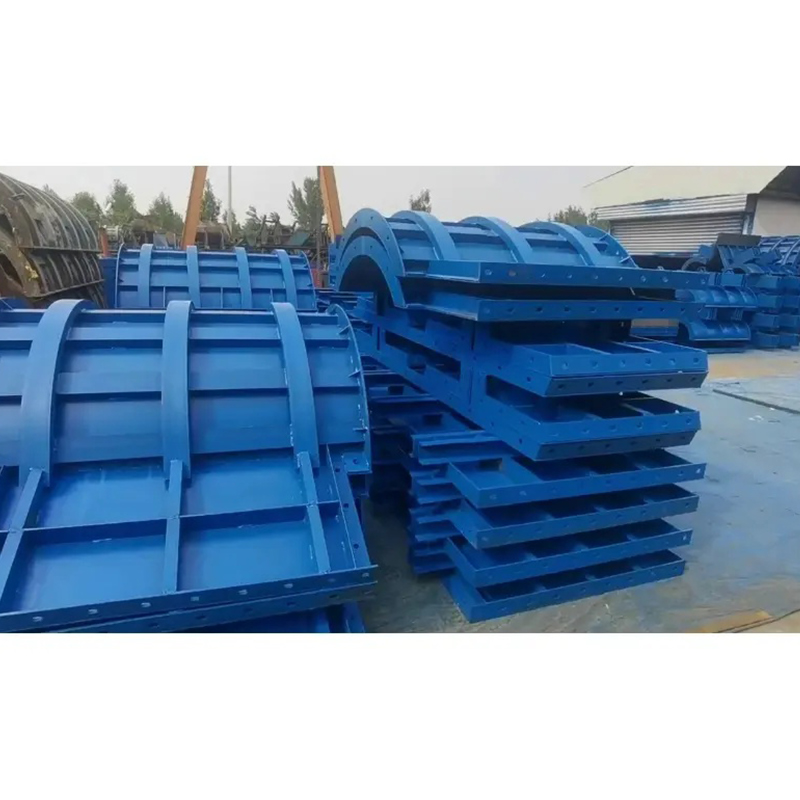
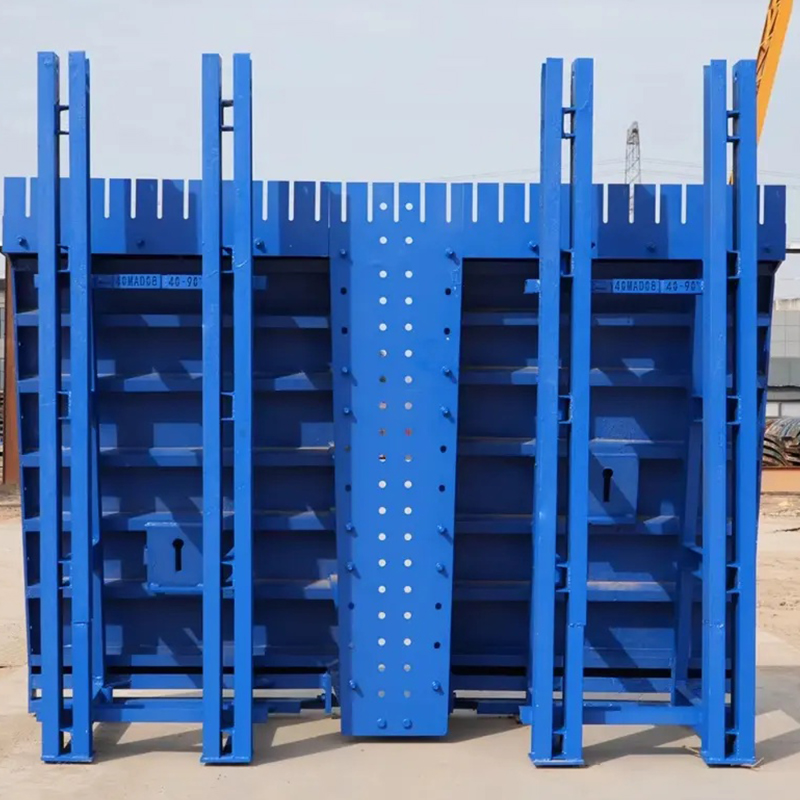
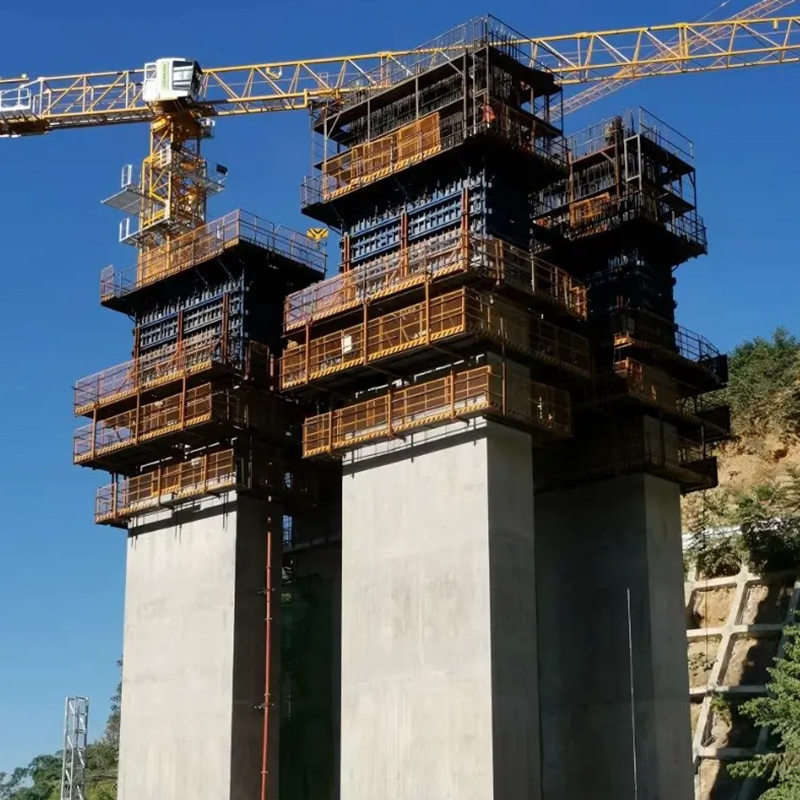
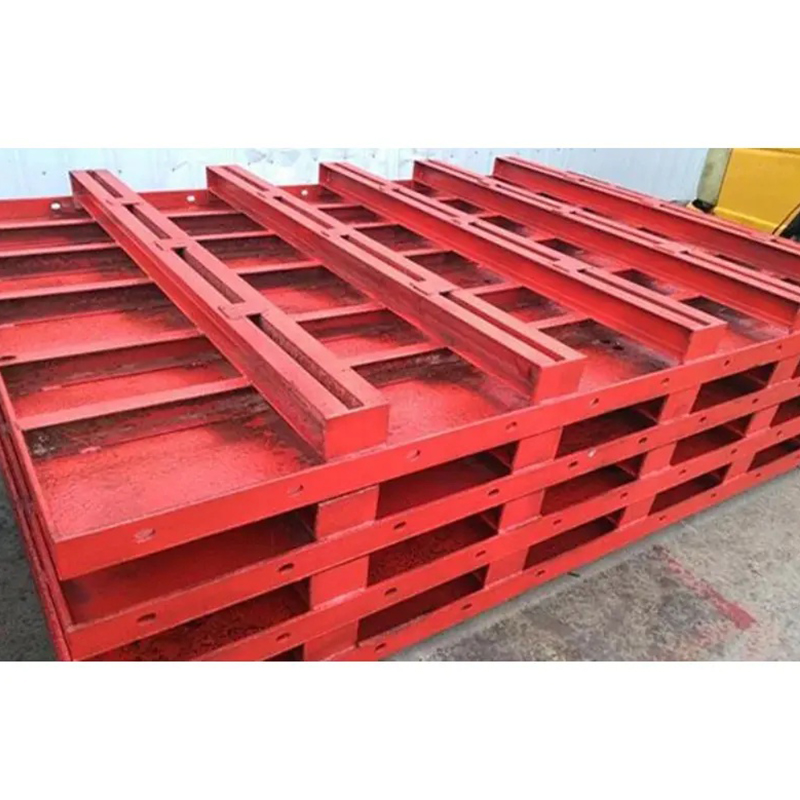
يبدأ أداء السقالة الموثوق به بمكونات جيدة الصنع. تنتج شركة Hyson Steel مجموعة من سقالة الأنظمة، بما في ذلك سقالات الإطار، ومكونات الأنابيب والقارنات، وملحقات سقالات النظام، المصممة من الفولاذ المجلفن لمقاومة التآكل وقوة تحمل متسقة عبر الاستخدام المتكرر لموقع العمل. بالنسبة للمقاولين الذين يديرون مواقع نشطة متعددة، فإن الحصول على مكونات السقالة من شركة تصنيع واحدة يساعد في توحيد نقاط الاتصال وآليات القفل، مما يقلل من أخطاء التجميع ويسرع وقت الإعداد.
سواء كان المشروع يتطلب برجًا متنقلًا مدمجًا للصيانة الداخلية أو سقالة ذات نظام كامل لبناء تجاري متعدد الطوابق، فإن اختيار معدات السقالات التي تم اختبارها جيدًا وتصنيفها بشكل صحيح هو أساس كل منصة عمل مرتفعة آمنة.


- موقع
- المجموعة 3، قرية فانغتشوانغ، منطقة روتشنغ الفرعية، مدينة روغاو، نانتونغ، جيانغسو، الصين
- تابعونا
- هاتف
- +86-13646196162
- بريد إلكتروني
- info@hysonindustry.com
